

Quick Answer: The best day trips from Seoul are the DMZ, Nami Island (with the Garden of Morning Calm), a Bukhansan hike, Suwon Hwaseong Fortress, and Incheon Chinatown. You need a tour for the DMZ. For Nami Island a tour and DIY cost about the same. Everything else is easy by subway or train.
I grew up in Seoul, and I’ve been to every place on this list, most of them more than once. Seoul is great, but some of the best moments of a Korea trip happen an hour outside the city: standing at a border you can’t cross, biking under golden trees on a river island, or looking down on the whole city from a granite peak. Here’s where I’d send a friend, and whether they actually need a tour.
Day Trips from Seoul at a Glance
| Place | Time from Seoul | Tour needed? | Best for | Best season |
|---|---|---|---|---|
| DMZ | About 1 hour by tour bus | Yes, you can’t go alone | History, once-in-a-lifetime views | All year |
| Nami Island + Garden of Morning Calm | About 1.5 hours | No, but it’s easier | Scenery, photos, couples | Fall (late Oct to mid Nov) |
| Bukhansan hike | About 1 hour by subway + bus | No | Hikers, city views | Spring and fall |
| Suwon Hwaseong Fortress | About 1 hour by subway | No | History, easy walking | Spring and fall |
| Incheon Chinatown | About 1 hour by subway | No | Food, a half day before your flight | All year |
1. The DMZ: The Place Most Koreans Have Never Seen
Here’s something that surprises my foreign friends: a lot of Koreans have never been to the DMZ. It’s not a weekend hangout for us. It’s a military zone, and you can only get in through approved tours and checkpoints. Visitors from abroad actually have it easier than many locals, because English-language tours leave Seoul every morning and pick you up at your hotel.
And it’s worth it. Korea is the last divided country in the world, and the DMZ is where you see that with your own eyes.
What you’ll see
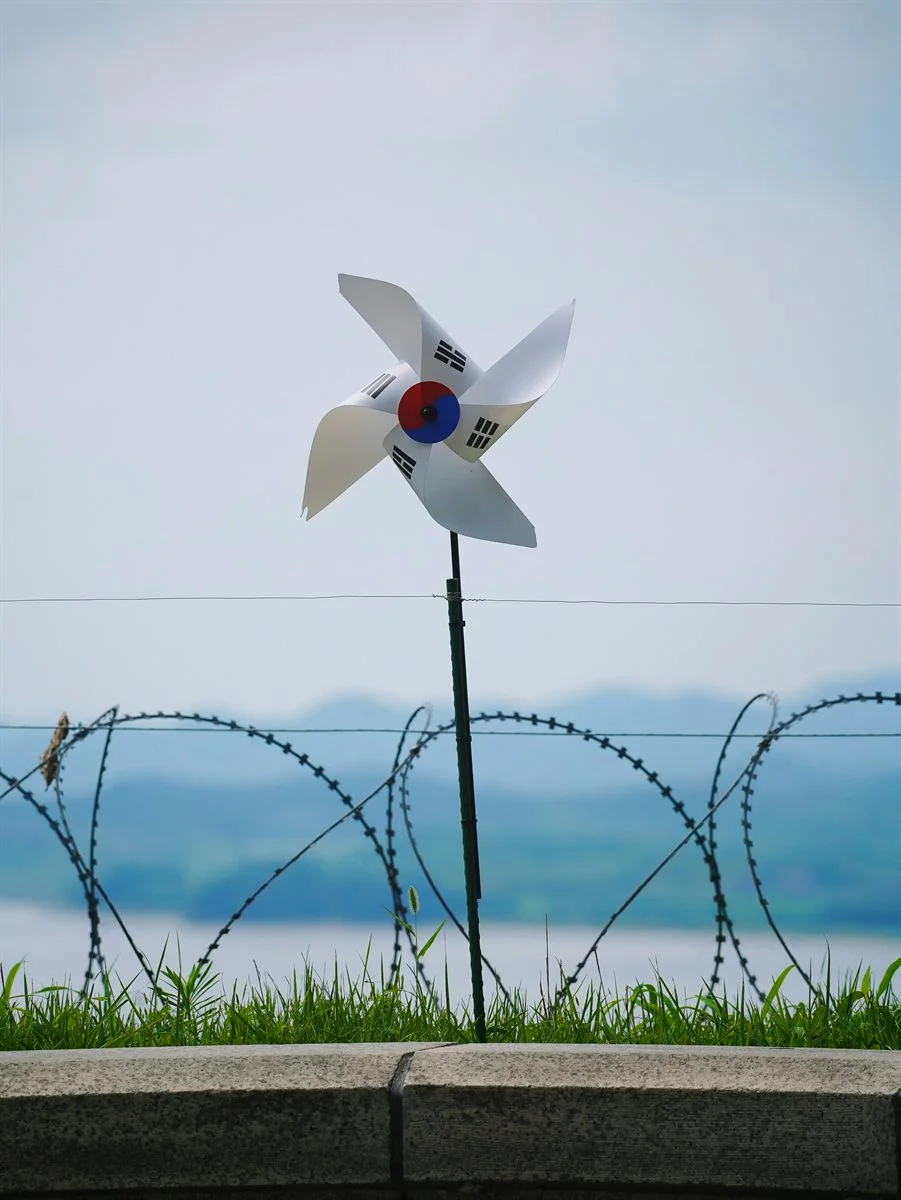
- An observatory facing North Korea. On a clear day you can look straight into North Korea and see the countryside around Kaesong. It’s quiet, and a little eerie.
- An infiltration tunnel. North Korea secretly dug tunnels under the border to prepare for an attack. South Korea found them in the 1970s. On most tours you put on a helmet and walk down into one, the Third Tunnel. It’s narrow and low, and you feel how real the threat was.
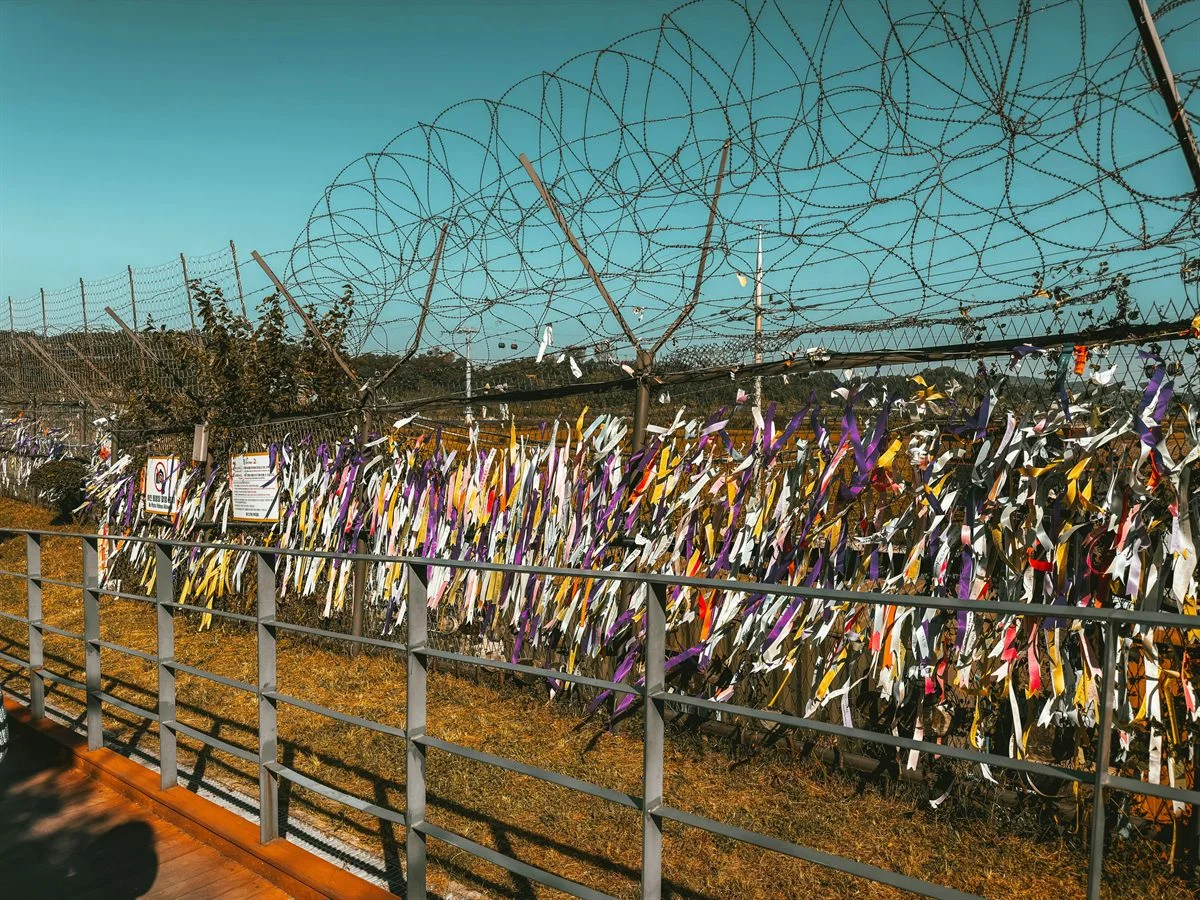
- The reality of division. Barbed wire, guard posts, and memorials for families split since the Korean War. At Imjingak, thousands of ribbons with messages for family and peace hang on the fence. It’s a heavy but important day.

Pro-Tip: Bring your passport. You can’t pass the military checkpoint without it, and the tour can’t wait for you. Photos are not allowed inside the tunnel, and some viewpoints have photo lines. Follow your guide.
What about Panmunjom (the JSA)?
Panmunjom is the famous blue-hut spot where North and South Korean soldiers stand face to face. When it was open, foreign visitors could book it through licensed tour companies, while Korean citizens had to go through a separate, much slower government application. But regular civilian tours have been closed since 2023. Many “DMZ + JSA” tours now skip the JSA, so read the itinerary carefully before you pay.
The tour I’d book
This DMZ tour with hotel pickup covers the tunnel, an observatory, and a suspension bridge, and adds a Q&A with a North Korean defector, which is the part people talk about most afterward. It’s one of the highest-rated DMZ tours on Klook. It does not include the JSA.
Add Heyri Art Village (DIY)
Heyri Art Village is in Paju too. It’s a quiet neighborhood of galleries, small museums, and cafes in modern buildings. If you’re exploring Paju on your own, it’s a nice, calm way to end a heavy DMZ day.
Getting there from Seoul: drive up the Jayu-ro expressway, or take the red express bus 2200 from Hapjeong Station. Either way it’s about 50 minutes to an hour.

2. Nami Island: Korea’s Prettiest River Island
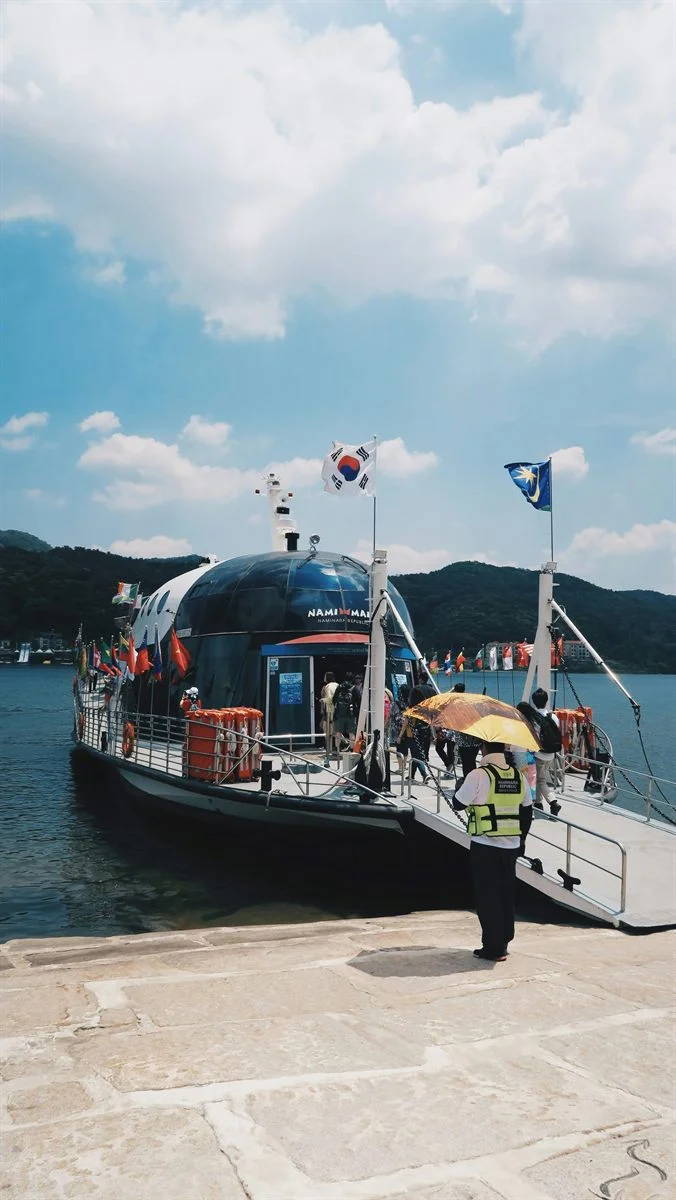
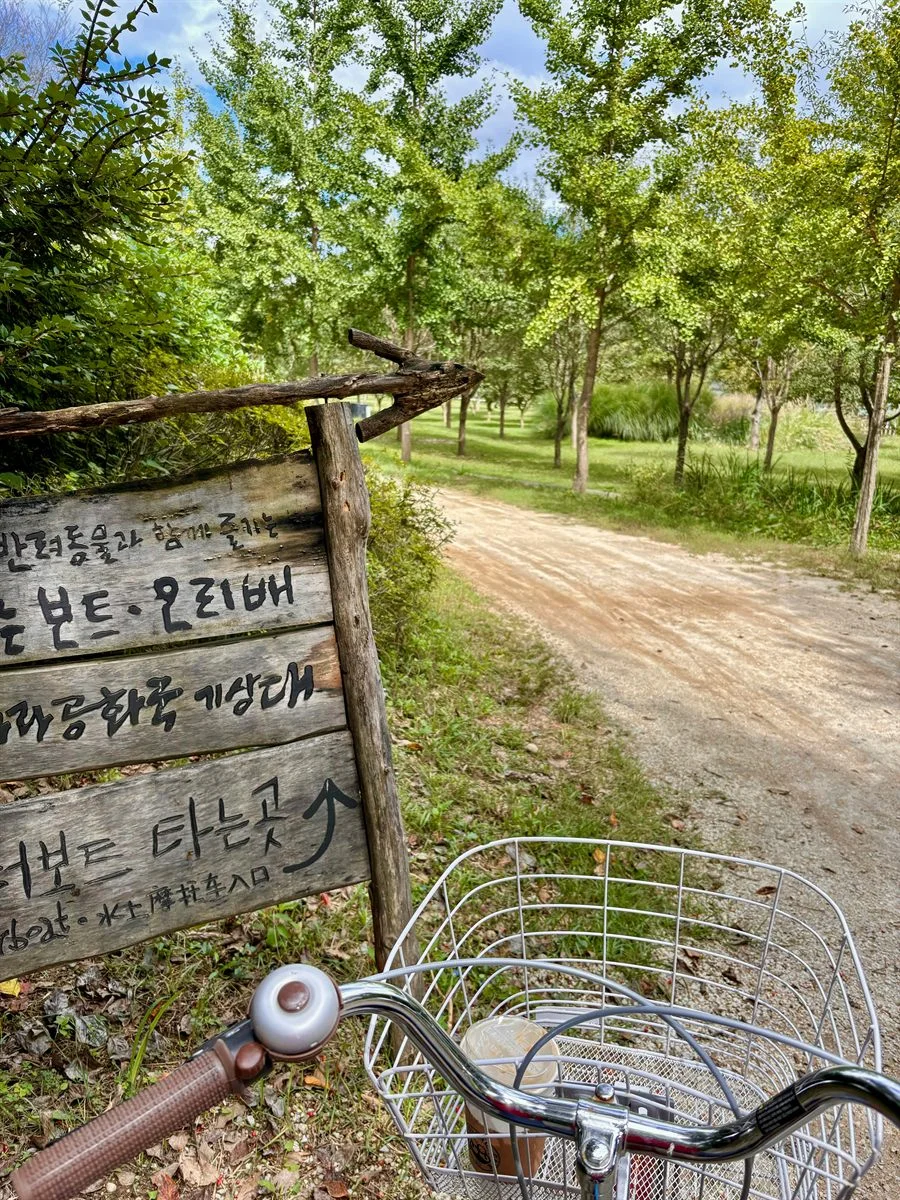
Nami Island is a small island in a river in Gapyeong. You get there on a short ferry, about 5 minutes across the water. I’ve been many times and it never gets old. The walking paths are well kept, and there’s a photo spot around every corner. It’s also a favorite filming location for Korean dramas and movies, so K-drama fans will recognize a few scenes.
My tip: rent a bike and slowly ride around the whole island. You’ll find quiet corners that the crowds near the entrance never reach.

If you can, go in fall. The metasequoia lane turns rusty orange, and the ginkgo trees turn bright yellow. It’s the island at its best.
Add the Garden of Morning Calm
The Garden of Morning Calm is a beautiful garden near Nami Island, and it’s perfect for a slow walk. I always recommend doing both on the same day. Nami in the morning, the garden in the afternoon.
Getting there on your own: from Gapyeong Station, or from Cheongpyeong Station or Cheongpyeong Bus Terminal, take a city bus or the Gapyeong tourist loop bus. It’s about 20 to 30 minutes to the garden.

Tour or DIY?
| All-in-one tour | DIY (shuttle + ticket) | |
|---|---|---|
| Price (from) | About ₩50,200 | About ₩50,300 (₩31,300 shuttle + ₩19,000 adult ticket, ferry included) |
| Garden of Morning Calm | Included | Extra trip on your own |
| Time on Nami | Set by the tour | As long as you want |
| Best for | First-timers who want both spots, zero planning | Slow travelers, photographers, bikers |
Prices are almost the same, so pick by style:
- Want Nami and the garden without figuring out buses? Book the Nami Island + Garden of Morning Calm day tour.
- Want a long, slow day on the island? Take the Seoul to Nami Island shuttle and pick up a Nami Island entry ticket.
- Going fully DIY by train? This is how I went. Take the ITX-Cheongchun from Yongsan or Cheongnyangni to Gapyeong Station. It takes about 60 to 70 minutes and costs around ₩6,000 one way in a standard seat. From Gapyeong Station, the ferry wharf is about a 5-minute taxi ride. The slower Gyeongchun Line also stops at Gapyeong, and your T-money card works on it.
Pro-Tip: Fall weekends are packed. Go on a weekday, and get to the ferry early. If you take a taxi from Gapyeong Station, Kakao T works out there too.
3. Bukhansan: Hike a Mountain Without Leaving Seoul
If you like hiking, this is my favorite thing to do in Seoul. Bukhansan National Park sits right on the city’s northern edge, and you can reach a trailhead by subway and bus. Going up is hard work. But from the top, the whole of Seoul is spread out below you, and it’s one of the best views in the country.
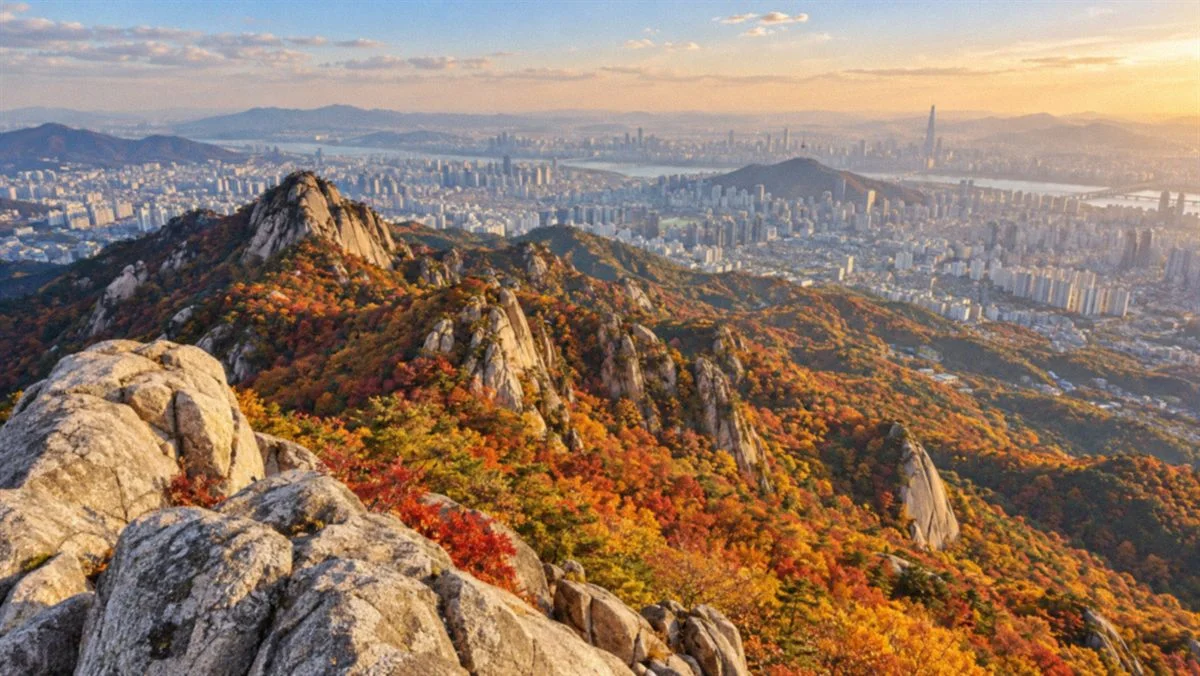
Two routes I recommend for first-timers:
- Baegundae course: Baegundae (836 m) is the highest peak in the park and the classic summit. From the Bukhansanseong trailhead it’s about 3.4 km and roughly 2.5 to 3 hours one way. The last stretch is steep rock where you hold on to cables, so wear real shoes.
- Wonhyobong course: Wonhyobong (505 m) is lower and shorter. I did it on a fall day: start at the Bukhansanseong Trail Center, follow the old fortress wall up to the summit, and come back the same way. The round trip took me about 1.5 to 2 hours. It’s much gentler than Baegundae, but the view is still huge: the fortress valley below you and the whole mountain covered in fall colors. The best choice if you want great views without a hard climb.
Getting there: take Line 3 to Gupabal Station and go out Exit 2. Take bus 34 or 704 (bus 8772 also runs on weekends) to the Bukhansanseong stop, about 15 to 20 minutes, then walk up to the trail center. Both courses start from this area.

Pro-Tip: Start early, bring water and snacks, and come down well before sunset. Koreans hike in full gear, but good sneakers or hiking shoes are what really matter. Download your trail on Naver Map before you go, as my Google Maps in Korea guide explains. Data on the mountain helps, so set up an eSIM before your trip.
4. Suwon Hwaseong Fortress: Easy History by Subway
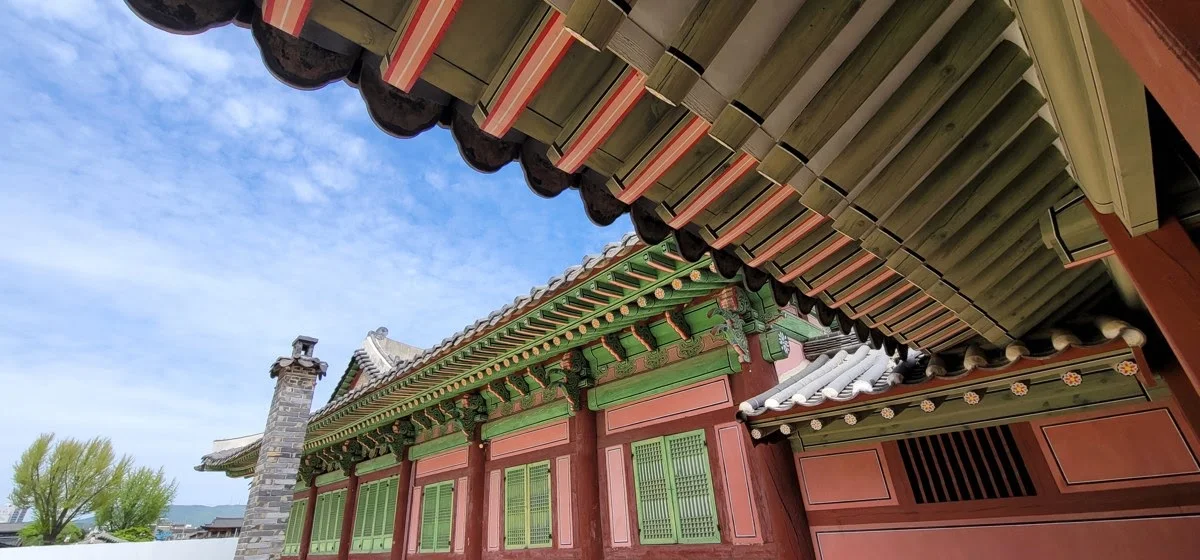
Hwaseong is a UNESCO World Heritage fortress wall that wraps around old Suwon. You can walk along the wall, see the gates and watchtowers, and visit Hwaseong Haenggung, the king’s temporary palace. No tour needed. The easiest way I’ve found: take express bus 7770 from Sadang Station, get off at the “Hwaseong Haenggung” stop, and walk about 5 minutes. You can also take Line 1 or the Shinbundang Line to Suwon, about an hour from central Seoul, and then a short bus or taxi ride.

Inside Hwaseong Haenggung, look up. The painted rafters and quiet courtyards are some of the prettiest in Korea, and it’s far less crowded than the palaces in Seoul.

After the palace, walk over to Haenggridan-gil, the lanes right next to it. They’re full of hanok cafes and small shops, a retro-meets-trendy side of Suwon. Then finish with fried chicken at Suwon’s chicken street near the fortress. It’s a local tradition.
5. Incheon Chinatown: A Half Day Before Your Flight
Korea’s biggest Chinatown is at the end of Line 1, at Incheon Station. It’s where jajangmyeon (black bean noodles) was born in Korea, so eat a bowl there. Walk to the colorful Fairy Tale Village next door, then catch the sea breeze at Wolmido. Since it’s on the way to the airport side of the city, it’s an easy add-on for your last day. My Incheon Airport guide has the transport details.
Visiting in winter? Ski resorts are an easy day out from Seoul too. My guide to the best ski resorts near Seoul covers day trips, beginners and Konjiam.
Want more than a day in Busan? Our Busan 3-day itinerary covers the city, and the KTX booking guide shows how to get there.
Bonus: Gyeongju by KTX
Gyeongju, the old capital of the Silla Kingdom, is a long day trip. The KTX from Seoul Station gets you to Singyeongju Station in about 2 hours, and a standard seat costs ₩44,500 one way, so it’s doable if you leave early. But honestly it’s better with a night there. That’s what I did, and this is the 2-day plan I’d copy:
- Getting into town: From the bus stops on the first floor of Singyeongju Station, take city bus 50, 70, or 700. It’s about 35 to 40 minutes to downtown Gyeongju. A taxi takes about 20 minutes.
- Day 1: Walk Hwangridan-gil, a street of cute hanok cafes, and the royal tomb park at Daereungwon. At sunset, go to Donggung Palace and Wolji Pond for the famous night view, then eat your way through the night market at Gyeongju Jungang Market. If you stay the night, Hwangnam-dong has hanok guesthouses. See my hanok stay guide.
- Day 2: Take a bus from downtown to Bulguksa, a temple that has stood for over a thousand years. Shop for local Gyeongju snacks, then ride the KTX back to Seoul from Singyeongju.
Book KTX seats early on weekends.
How to Pick a Day Tour
- Pickup point: Hotel pickup or a meeting point at a subway exit? Check how far it is from where you’re staying.
- English guide: Make sure the tour runs in English, not just with an English booking page.
- What’s actually included: Entry tickets, lunch, and (for the DMZ) whether the JSA is really part of it.
- Cancellation policy: Weather and border situations can change plans. Free cancellation 24 hours before is ideal.
- Reviews from this year: Look at recent reviews, not just the total score.
Planning a theme park day in Seoul? Compare the options in Lotte World vs Everland before you pick.
Mistakes to Avoid
- Forgetting your passport on DMZ day.
- Booking a “JSA tour” without checking if the JSA is really included.
- Going to Nami Island on a fall weekend afternoon.
- Starting a Bukhansan hike after lunch, or in slippery shoes.
- Trying to squeeze Gyeongju and Seoul sights into the same day.
- Leaving without cash or a T-money card for local buses. See my how to pay in Korea guide.
Planning the rest of your trip? Start with my Seoul subway guide.
Disclosure: This post contains affiliate links. If you book through them, I may earn a small commission at no extra cost to you.