
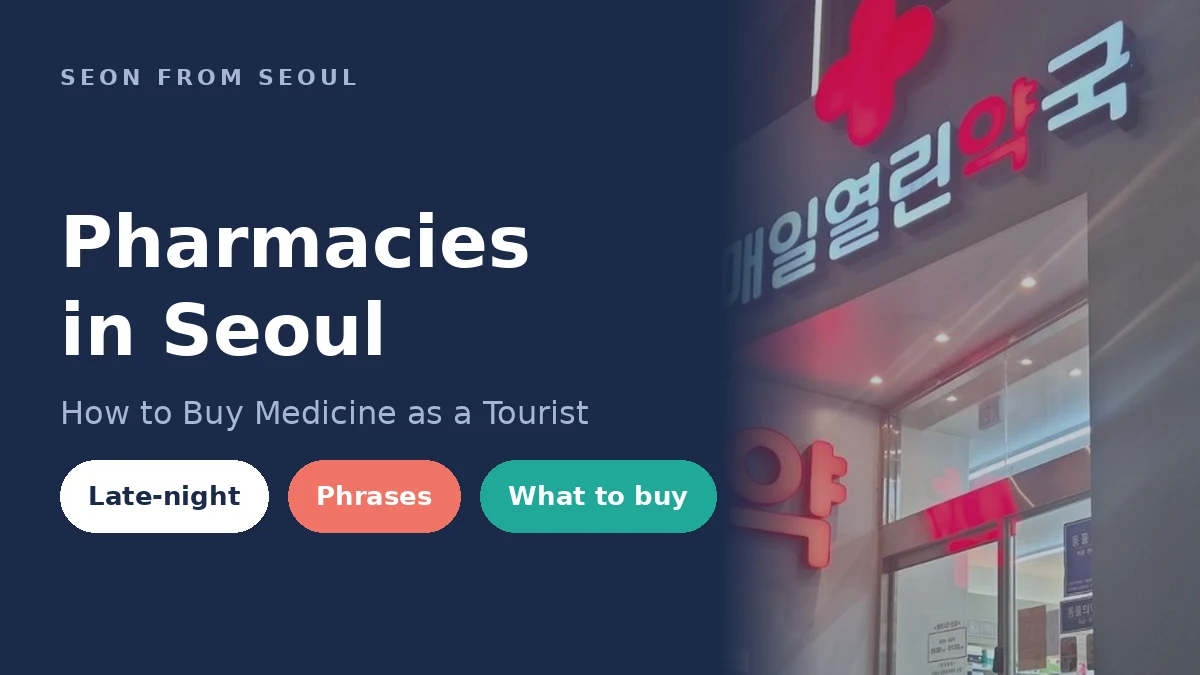
Quick Answer: Look for the red 약 sign, or search 약국 on Naver Map. Korean pharmacists can sell cold, pain, and stomach medicine without a prescription. Show your symptoms in a translation app. After 10 p.m., search 공공심야약국 for late-night pharmacies. In an emergency, call 119.
Last checked: November 17, 2026. Late-night pharmacy hours and addresses come from the Seoul Metropolitan Government’s official public late-night pharmacy directory. Medicine ingredient and label details come from the Korea Pharmaceutical Information Center (health.kr) and the Ministry of Food and Drug Safety.
Health note: I’m not a doctor or a pharmacist, and this post is not medical advice. It’s a guide to getting help in Seoul. If you have trouble breathing, chest pain, a high fever that won’t go down, or symptoms that get worse, see a doctor or call 119. Always ask the pharmacist before taking a new medicine, especially if you’re pregnant, take other medicine, or are buying for a child.
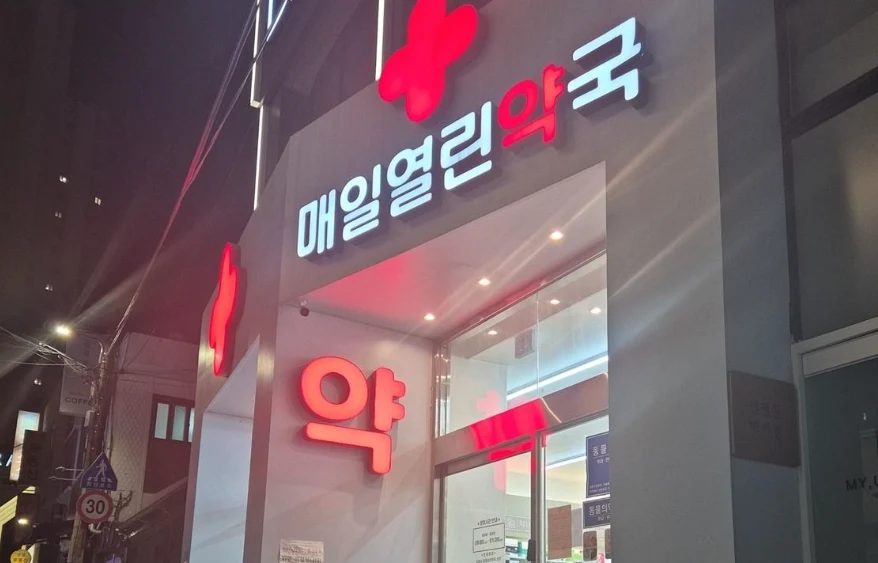
Last winter, an American friend came to meet me in Hongdae. My friend’s throat had felt scratchy since the flight, and their head felt heavy.
So before we ate anything, I said: pharmacy first. We walked into a small one near Hongik University Station. The pharmacist asked one question at a time. Where does it hurt? Do you have a fever?
My friend explained in English: sore throat, stuffy nose. The pharmacist opened a translation app, and they checked the screen together. Then the pharmacist wrote down how to take the medicine, and what to watch out for, on a piece of paper. My friend took a photo of it.
Two things surprised my friend. First, they got real advice on the spot. Back home, they said, you’d usually book a doctor and get a prescription first. Second, the bill was cheaper than expected. We took the bag of medicine to a cafe and had some warm water. The next day, my friend’s throat felt much better. Since then, they say Korean pharmacies are the easiest pharmacies anywhere.
This guide shows you how to do the same thing, even if you don’t speak a word of Korean.
Pharmacy, Clinic, or ER: Where Should You Go?
In Korea, a pharmacy (약국, yak-guk) and a clinic are separate places. Pharmacists don’t diagnose you, but they can sell many over-the-counter medicines after a short chat. For anything stronger, you see a doctor first and bring the prescription to a pharmacy.
| Pharmacy (약국) | Clinic (의원 / 병원) | Emergency room (응급실) | |
|---|---|---|---|
| Go here for | Colds, headaches, upset stomach, allergies, small cuts, sore muscles | Symptoms lasting several days, a fever that won’t drop, infections, anything that needs a prescription | Trouble breathing, chest pain, serious injury, fainting |
| Appointment? | No. Just walk in | Usually no. Most neighborhood clinics take walk-ins | No. Call 119 if you can’t get there safely |
| Prescription? | Not needed for over-the-counter medicine | The doctor gives you one. You take it to a pharmacy | Handled by the hospital |
| How to find it | Red 약 sign, or search 약국 | Search 의원 or 내과 (internal medicine) | Search 응급실 |
Pro-Tip: Pharmacies often sit right next to clinics, sometimes in the same building. If a pharmacist says you need a doctor, ask them to point you to the nearest 내과 (nae-gwa, internal medicine clinic). It’s usually a short walk.
Need a doctor who speaks English? See my guide to English-speaking hospitals in Seoul, with international clinic hours and what a visit costs.
How to Find a Pharmacy in Seoul
Search on Naver Map or Kakao Map
Google Maps is weak in Korea, so use a Korean map app. (Here’s why: Does Google Maps Work in Korea?) Type these words into the search bar:
- 약국: any pharmacy
- 공공심야약국: public late-night pharmacies
- 내과: internal medicine clinic, if you need a doctor
Check the hours on each listing before you walk over. Many small pharmacies close in the early evening, and many close on Sundays and public holidays.
Late-Night Pharmacies (공공심야약국)
Official map: Check the current list of late-night pharmacies on Seoul’s Smart Seoul Map before you go. Call first, because opening days differ by pharmacy.
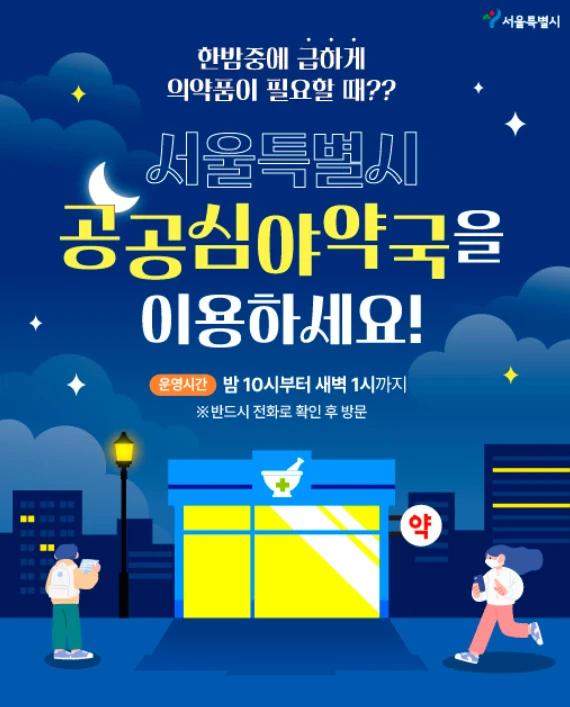
Yes, Seoul has pharmacies that stay open late. The city runs a program called public late-night pharmacies (공공심야약국, gong-gong-sim-ya-yak-guk).
- How many: 39 across Seoul’s 25 districts (as of early 2026)
- Hours: 10 p.m. to 1 a.m.
- Days: 28 of them open every day of the year, including holidays. The other 11 open only on certain weekdays.
- How to find them: Search 공공심야약국 on Naver Map, or use the Seoul city map at map.seoul.go.kr
The city suggests calling before you go, since days differ by pharmacy. Some private pharmacies also stay open late in busy areas. Search 약국 on Naver Map after 10 p.m. and look for listings marked as open.
Here are four 365-day public late-night pharmacies (10 p.m. to 1 a.m.) near popular tourist areas in Seoul:
| Area | Pharmacy | Address | Phone |
|---|---|---|---|
| Hongdae / Hapjeong | Cell Pharmacy (셀약국) | 72 Yanghwa-ro, Mapo-gu (#118) | 02-337-7959 |
| Jongno / Gwanghwamun | Sejong Pharmacy (세종약국) | 54 Sejong-daero 23-gil, Jongno-gu (B1) | 02-3210-2292 |
| Gangnam / Nonhyeon | Jeil Grand Pharmacy (제일그랜드약국) | 478 Gangnam-daero, Gangnam-gu (1F) | 02-546-0093 |
| Yongsan | Subok Pharmacy (수복약국) | 12 Saechang-ro 12-gil, Yongsan-gu | 02-714-0667 |
Pro-Tip: Save two late-night pharmacies near your hotel on Naver Map on your first day. If you wake up sick at midnight, you won’t be searching in a panic.
Backup: Convenience Stores
If every pharmacy is closed, try a 24-hour convenience store like GS25, CU, or 7-Eleven. By law, they can sell a short list of “safe household medicines” (안전상비의약품). Right now that’s 11 products: a few fever and pain relievers like Tylenol, two cold medicines, four digestive aids, and two pain patches.
That’s it. No antibiotics, no allergy pills, no ointments. The government plans to grow the list to as many as 20 items, but that hasn’t happened yet. For snacks to go with your medicine, see my Korean convenience store food guide.
What to Say to the Pharmacist
Many pharmacists in central Seoul know some English, especially words for symptoms. But a few Korean phrases make it faster. Point to the phrase, or say it out loud.
| English | Korean | Say it like |
|---|---|---|
| I have a sore throat. | 목이 아파요. | mo-gi a-pa-yo |
| I have a fever. | 열이 나요. | yeo-ri na-yo |
| My nose is stuffy. | 코가 막혔어요. | ko-ga ma-kyeo-sseo-yo |
| I have a runny nose. | 콧물이 나요. | kon-mu-ri na-yo |
| I have a cough. | 기침이 나요. | gi-chi-mi na-yo |
| I have a headache. | 머리가 아파요. | meo-ri-ga a-pa-yo |
| My stomach hurts. | 배가 아파요. | bae-ga a-pa-yo |
| I ate too much / indigestion. | 체했어요. | che-hae-sseo-yo |
| I have diarrhea. | 설사를 해요. | seol-sa-reul hae-yo |
| I’m allergic to (medicine). | (약) 알레르기가 있어요. | al-le-reu-gi-ga i-sseo-yo |
| I’m pregnant. | 임신 중이에요. | im-sin jung-i-e-yo |
| I take other medicine. | 다른 약을 먹고 있어요. | da-reun ya-geul meok-go i-sseo-yo |
| Will it make me sleepy? | 먹으면 졸려요? | meo-geu-myeon jol-lyeo-yo |
| How many times a day? | 하루에 몇 번 먹어요? | ha-ru-e myeot beon meo-geo-yo |
Pro-Tip: Use ingredient names, not US brand names. A Korean pharmacist may not know “NyQuil,” but they’ll know “acetaminophen,” “ibuprofen,” “naproxen,” or “fexofenadine.” If you take a medicine at home, bring a photo of the label.
5 Medicines Worth Knowing on a Trip
These are the five I’d point a friend to for common travel problems. They’re all over-the-counter in Korea. Each pharmacy carries different brands, so if one isn’t in stock, show this list and ask for something similar. Prices vary by pharmacy and pack size, so I haven’t listed them.
| Medicine | Main ingredient | For |
|---|---|---|
| Taksen (탁센) | Naproxen 250 mg | Headache, period pain, muscle pain |
| Modcol S (모드콜S) | Acetaminophen plus 5 other ingredients | Full cold: stuffy nose, cough, fever |
| Allegra 120 mg (알레그라) | Fexofenadine 120 mg | Allergies: sneezing, runny nose |
| Dajes Capsule (다제스) | Digestive enzymes and bile acid | Overeating, indigestion, bloating |
| Fucidin Ointment (후시딘) | Fusidic acid 2% | Bacterial skin infections |
1. Taksen (탁센): For Pain

Taksen is naproxen, the same ingredient as Aleve. Koreans reach for it for headaches, period cramps, and sore muscles. The dose depends on the type of pain, so follow the label or the pharmacist.
Careful: It’s an NSAID. Don’t take it with ibuprofen or other NSAIDs. Skip it or ask a doctor if you have stomach ulcers, kidney problems, take blood thinners, or are in late pregnancy.
2. Modcol S (모드콜S): For a Full-Blown Cold

Modcol S is a multi-symptom cold capsule. It covers a stuffy nose, cough, and fever at once. Follow the package label and the pharmacist’s directions for dosing (standard adult cold capsules are typically taken after meals).
Careful: It contains acetaminophen (Tylenol), so don’t take it with other cold or fever medicine. It also has an antihistamine that can make you sleepy, so don’t plan a long drive.
3. Allegra 120 mg (알레그라): For Allergies

Spring pollen and yellow dust hit some visitors hard. Allegra is fexofenadine, the same ingredient as Allegra at home. The Korean over-the-counter version is 120 mg. It is an over-the-counter allergy tablet. Check the age limit and once-daily timing with the pharmacist, and take it with water only.
Careful: Don’t take it with fruit juice, such as grapefruit, orange, or apple juice. Water only.
4. Dajes Capsule (다제스): For a Heavy Stomach
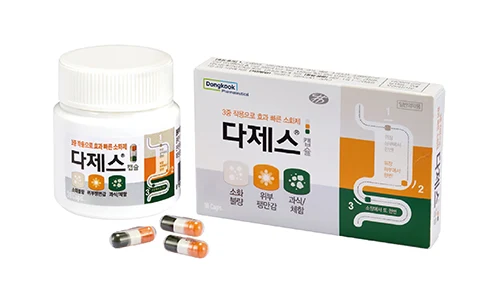
Korean BBQ, fried chicken, and a night market crawl in one day? Your stomach may complain. Dajes is a digestive aid with enzymes. Follow the box instructions or your pharmacist’s advice on how many capsules to take after a heavy meal.
Careful: Don’t take it if you have acute hepatitis or gallbladder problems. Stomach pain that doesn’t go away needs a doctor.
5. Fucidin Ointment (후시딘): For Infected Scrapes

Fucidin is an antibiotic ointment that every Korean family seems to own. It’s for bacterial skin infections. Apply a thin layer to the affected area, following the label.
Careful: You don’t need it for every small, clean cut. Don’t use it for a long time or over a large area.
Pro-Tip: When the pharmacist writes the dosage on the box or a note, take a photo. Then open Papago’s camera mode on that photo whenever you forget. That’s exactly what my friend did.
5 Korean Pharmacy Buys Americans Love
Some medicines that need a prescription in the US are sold over the counter in Korea. Others are just hard to find back home. These five are popular with American visitors.

For shopping, try a big warehouse-style pharmacy (창고형 약국). They have wide aisles, labeled shelves, and prices on display, so you can browse without pressure. I took these photos at Medi Kingdom in Yongsan.
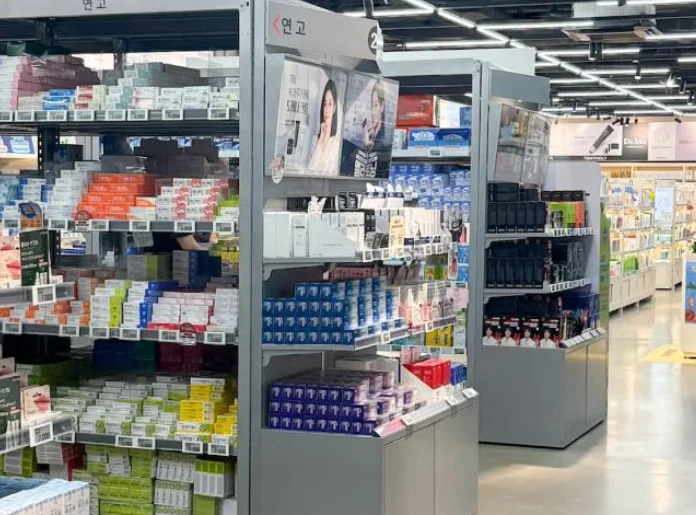
| Product | Main ingredient | For | Why Americans buy it |
|---|---|---|---|
| Azalea Cream (아젤리아) | Azelaic acid 20% | Acne | The 20% cream needs a prescription in the US |
| Esroban Ointment (에스로반) | Mupirocin 2% | Local bacterial skin infections | Mupirocin needs a prescription in the US |
| Ketotop Patch (케토톱) | Ketoprofen | Muscle and joint pain | Ketoprofen patches aren’t on US store shelves |
| Antiphlamine (안티푸라민) | Menthol, camphor | Mild muscle aches, bruises | A Korean classic with the nurse on the lid |
| Bepanthen (비판텐) | Dexpanthenol 5% | Minor skin damage, dry or irritated skin | Hard to find in US stores |
Azalea Cream (아젤리아): For Acne
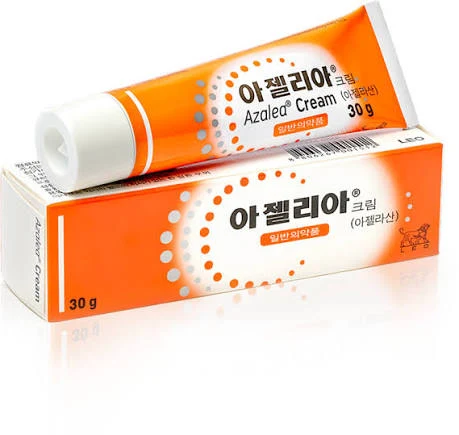
Apply a thin layer to clean, dry skin, usually twice a day. If it stings or turns red, use it less often.
Esroban Ointment (에스로반): For Skin Infections
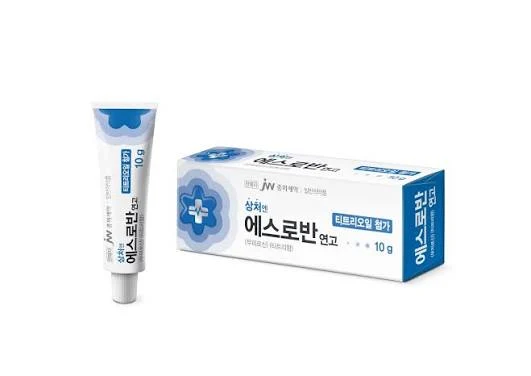
Apply only as directed on the label or by the pharmacist, and do not use it longer than recommended. It’s an antibiotic, so don’t use it when you don’t need it.
Ketotop Patch (케토톱): For Sore Muscles
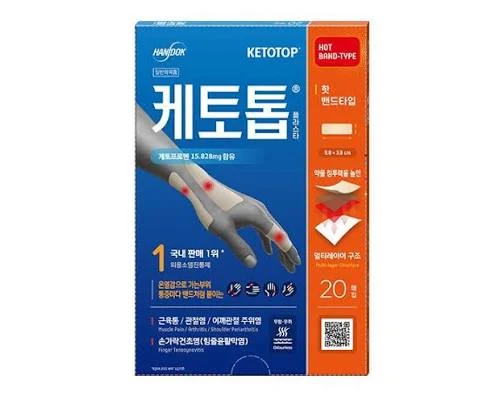
Perfect after 25,000 steps a day around Seoul. Stick it on the sore spot as the box directs.
Careful: Ketoprofen can react with sunlight. Keep the patched skin out of the sun, and keep it covered for the period the label says even after you take the patch off.
Antiphlamine (안티푸라민): The Korean Classic
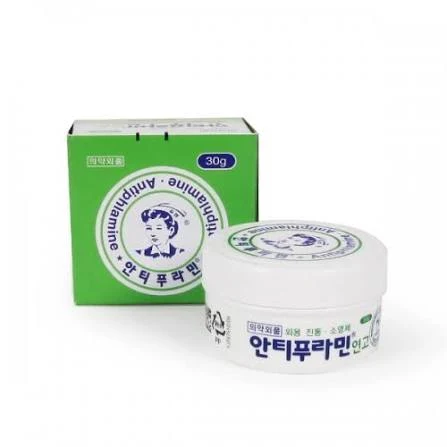
Ask any Korean about the nurse on this tin, and they’ll smile. It’s a menthol rub for mild aches and bruises. Use a small amount as the label says. Keep it away from your eyes, mouth, and broken skin. It’s a fun gift, though the US has similar menthol rubs.
Bepanthen (비판텐): For Dry, Irritated Skin

A gentle ointment for minor skin damage and irritation. Follow the package directions for how often to apply a thin layer. Compare prices before you stock up. I haven’t seen proof it’s cheaper here.
Before you fly home: Buying it legally in Korea doesn’t mean you can bring it into the US. The FDA says that in most cases it’s illegal to import drugs for personal use, though officers may allow small personal amounts. Keep medicine in its original box, buy only what you’ll use, and check the FDA’s personal importation page before you shop.
Using a Translation App at the Pharmacy
You don’t need to speak Korean. You need a phone with data. Here’s what works best:
- Papago (by Naver): The most accurate Korean translator. Use Conversation mode, and set the phone on the counter between you and the pharmacist.
- Papago camera mode: Point it at a medicine box or a handwritten note to read the dosage.
- Type it before you go: Write your symptoms, allergies, and current medicines in the app while you wait in line.
My friend’s pharmacist opened their own app, and they checked the screen together. That’s normal here, so don’t feel awkward pulling out your phone.
Translation only works with a signal. I use a Korea eSIM so I’m never stuck without data. Comparing options? Read Best eSIM for Korea.
Paying at a Korean Pharmacy
Pharmacies take foreign credit cards, Korean cash, and prepaid travel cards. Over-the-counter medicine is often cheaper than visitors expect, but prices are set by each pharmacy, so they vary.
If your bank charges foreign transaction fees, a prepaid card helps. You can grab a WOWPASS card before your trip and pick it up in Seoul. More on cards and cash in How to Pay in Korea.
Emergencies: Who to Call
A pharmacy can’t help with an emergency. Save these numbers in your phone before you land.
| Number | What it’s for | Notes |
|---|---|---|
| 119 | Ambulance and fire | Call for any medical emergency. Say your location slowly: a building name, a subway station exit number, or a big store nearby |
| 112 | Police | Crime, theft, or if you feel unsafe |
| 1330 | Korea Travel Hotline | Interpretation in English, Japanese, and Chinese. It can join a three-way call with emergency services. From a foreign phone, dial +82-2-1330 |
| 1577-1366 | Danuri Call Center | 24/7 multilingual help with three-way interpretation |
Not every 119 operator speaks fluent English. If you’re stuck, call 1330 and ask them to connect you, or have a Korean speaker nearby help. The UK government lists 1330’s three-way interpretation as running from 7 a.m. to midnight, so lean on Danuri (1577-1366) late at night.
Pro-Tip: Travel insurance matters here. Pharmacy visits are cheap, but an ER visit without Korean health insurance isn’t. I’d sort out travel insurance before you fly. Add it to your Korea travel checklist.
Mistakes to Avoid
- Doubling up on acetaminophen. Many Korean cold medicines already contain it. Don’t add Tylenol on top.
- Mixing NSAIDs. Don’t take Taksen (naproxen) with ibuprofen.
- Waiting until Sunday night. Many small pharmacies close on Sundays and holidays. Find a late-night one early.
- Using US brand names. Say the ingredient, or show a photo of the label.
- Not mentioning pregnancy, kids, or other medicine. Tell the pharmacist first. This changes what they’ll give you.
- Treating a pharmacy like a doctor. If you’re not better in a few days, go to a clinic.
Frequently Asked Questions
Do I need a prescription to buy medicine in Korea?
Not for over-the-counter medicine. Pharmacists can sell cold, pain, allergy, and stomach medicine after asking about your symptoms. Antibiotic pills and stronger drugs need a doctor’s prescription, which you can get the same day at most walk-in clinics.
Are there 24-hour pharmacies in Seoul?
Few pharmacies are open all night. Seoul runs 39 public late-night pharmacies (공공심야약국) that open from 10 p.m. to 1 a.m., and 28 of them open every day. Search 공공심야약국 on Naver Map. After 1 a.m., a 24-hour convenience store sells basic medicine.
Can I buy Tylenol at a convenience store in Korea?
Yes. Convenience stores like GS25, CU, and 7-Eleven can sell a short list of household medicines, including Tylenol, two cold medicines, digestive aids, and pain patches. For anything else, go to a pharmacy.
Feeling better? Get back to the fun part with my 5-day Seoul itinerary.